“Close but no cigar” is an informal American idiom meaning that someone nearly succeeded, or nearly guessed right, but still missed the reward. Most word historians tie it to fairground games that paid winners in cigars, and the earliest printed example Wordorigins has found is a May 1927 college newspaper headline.
What does “close but no cigar” mean?
The phrase is a verdict on a near miss: close does not win. Merriam-Webster lists it as a phrase for a guess that is nearly right or an effort that falls just short of enough. Oxford Learner’s Dictionaries labels it informal and describes it as something said to a person whose try or guess almost worked but did not quite. Dictionary.com enters the shorter form “no cigar” and spells out the logic behind it: an effort that did not win, as though it fell short of earning a cigar as a prize.
Is “close but no cigar” an American expression?
By origin, yes. The Phrase Finder, edited by Gary Martin, calls it a US expression that was long little heard in other English-speaking countries, though it is now understood almost everywhere.
Is it a complete sentence?
No. Grammar Monster points out that it has no subject and no verb, so it is a sentence fragment, which is why it works as a one-line reply to a guess.
Where does “close but no cigar” come from?
The usual story puts it on the carnival midway: stalls paid winners in cigars, and the operator called out the line to a player who just missed, hoping to sell another try. Today I Found Out says most etymologists accept this account but that it cannot be proven. A September 2026 Mental Floss article by Matt Hoffman agrees: the cigar prizes are on record, but evidence of a barker actually saying these words is hard to find.
Were cigars really fairground prizes?
Yes. According to David Wilton’s Wordorigins.org, Robert Machray’s 1902 book The Night Side of London describes a penny game of rolling balls into numbered holes in which a score of twenty won a cigar; Machray managed nine. Wilton also cites a June 1905 item in New York’s Evening World recalling a rifle-range marksman who kept winning cigars. Neither uses the phrase, but both show cigars as prizes long before it appears in print.
What are the earliest printed uses?
Wordorigins dates the first recorded use to May 1927, a “Close but No Cigar” headline in the Yale Daily News over a tongue-in-cheek report of an intramural baseball game that ended 25 to 1. In January 1928 a Daily Princetonian columnist joked about a professor handing back a red-inked essay marked “close, but no cigar,” and a December 1929 Long Island Daily Press story called it the refrain of a game barker, an early written link to the midway. Wilton concludes the phrase was well established by 1929.
Why do sources give different dates?
Reference works do not agree. The Phrase Finder gives its earliest print citation as the script of the 1935 film Annie Oakley, by Joel Sayre and John Twist, where a character tells a colonel he came close without winning the cigar, and says newspapers took the phrase up widely from around 1949. According to Today I Found Out, the Oxford English Dictionary’s first example is a March 1930 bowling story in the Cleveland Plain Dealer. Mental Floss puts the starting date anywhere from 1927 to 1935, with the answer turning on which reference book you check. Grammar Monster places the phrase in the 1800s, but none of the sources we read cites a printed example before 1927.
| Date | Source | What it shows |
|---|---|---|
| 1902 | Robert Machray, The Night Side of London | A penny ball game pays a cigar for a score of twenty; no phrase yet |
| June 1905 | Evening World, New York | A rifle-range marksman wins cigars; no phrase yet |
| May 1927 | Yale Daily News | Headline “Close but No Cigar,” the earliest use Wordorigins records |
| December 1929 | Long Island Daily Press | The phrase is called a barker’s refrain |
| March 1930 | Cleveland Plain Dealer | Bowling story, reported as the OED’s first example |
| 1935 | Annie Oakley film script | The Phrase Finder’s earliest print citation |
How do you use “close but no cigar” in a sentence?
Use it for a low-stakes near miss: a guess, a game, a quiz answer. The tone is a light tease, so keep it away from real disappointments, where it can sound dismissive. Merriam-Webster gives the headword with a comma and lists the comma-free spelling as a variant, so either is correct. A few examples of our own:
- “Is that a robusto?” “Close, but no cigar. It is a toro.”
- Our bowling team lost the final by two pins: close but no cigar.
- She guessed the jar held 300 beans, and it held 312. Close, but no cigar.
Variants and related phrases
The Phrase Finder records “nice try, but no cigar” as a variant, and Dictionary.com enters the bare “no cigar.”
| Phrase | Meaning | Example |
|---|---|---|
| close, but no cigar | Nearly succeeded, won nothing | “Nine out of ten? Close, but no cigar.” |
| nice try, but no cigar | A good attempt that still missed | “Nice try, but no cigar. The answer was Ohio.” |
| no cigar | The short form: an effort that did not win | “He swung hard, but no cigar.” |
| close-but-no-cigar | Hyphenated, before a noun | “A close-but-no-cigar season.” |
| give that man a cigar | The reverse: a right answer earns the prize | “Forty-two? Give that man a cigar.” |
| by the skin of your teeth | You barely made it | “We caught the flight by the skin of our teeth.” |
Synonyms for “close but no cigar”
Plain-English alternatives include almost, not quite, so close, a near miss and nearly there, plus the proverb “a miss is as good as a mile.”
What does “give that man a cigar” mean?
It is the flip side: the cheer for a correct answer, as if handing over the prize. In a November 2001 thread on The Phrase Finder’s discussion board, a contributor described it that way and cited Eric Partridge’s Dictionary of Catch Phrases for a British counterpart, “give that gentleman a coconut.” That is reader testimony; we did not find a dictionary entry for the phrase.
Why do new fathers hand out cigars?
In its Autumn 1993 issue, Cigar Aficionado’s editors told a reader that twenty years earlier it had been traditional to celebrate weddings, bar mitzvahs and births by passing out cigars. Nobody has pinned down when the custom began. Our guide to It’s a Boy cigars covers how to plan a handout.
Why were cigars used as prizes?
A cigar suited a game aimed at grown-ups. Today I Found Out notes that fairground prizes of that era were generally meant for the adults rather than the children, and a cigar fit that bill. The habit of lighting one after a victory never went away: writing in October 2010, Cigar Aficionado’s David Savona described the Cincinnati Reds lighting big cigars in the locker room after clinching their division, and Canada’s women’s hockey team firing up cigars after winning Olympic gold.
Cigars worth the win
If all this talk of prizes has you thinking about the cigar itself, start with three benchmark makers, all in the walk-in humidor at Sun of a Gun Cigars & Spirits in Yuma, an official J.C. Newman Diamond Crown Cigar Lounge.
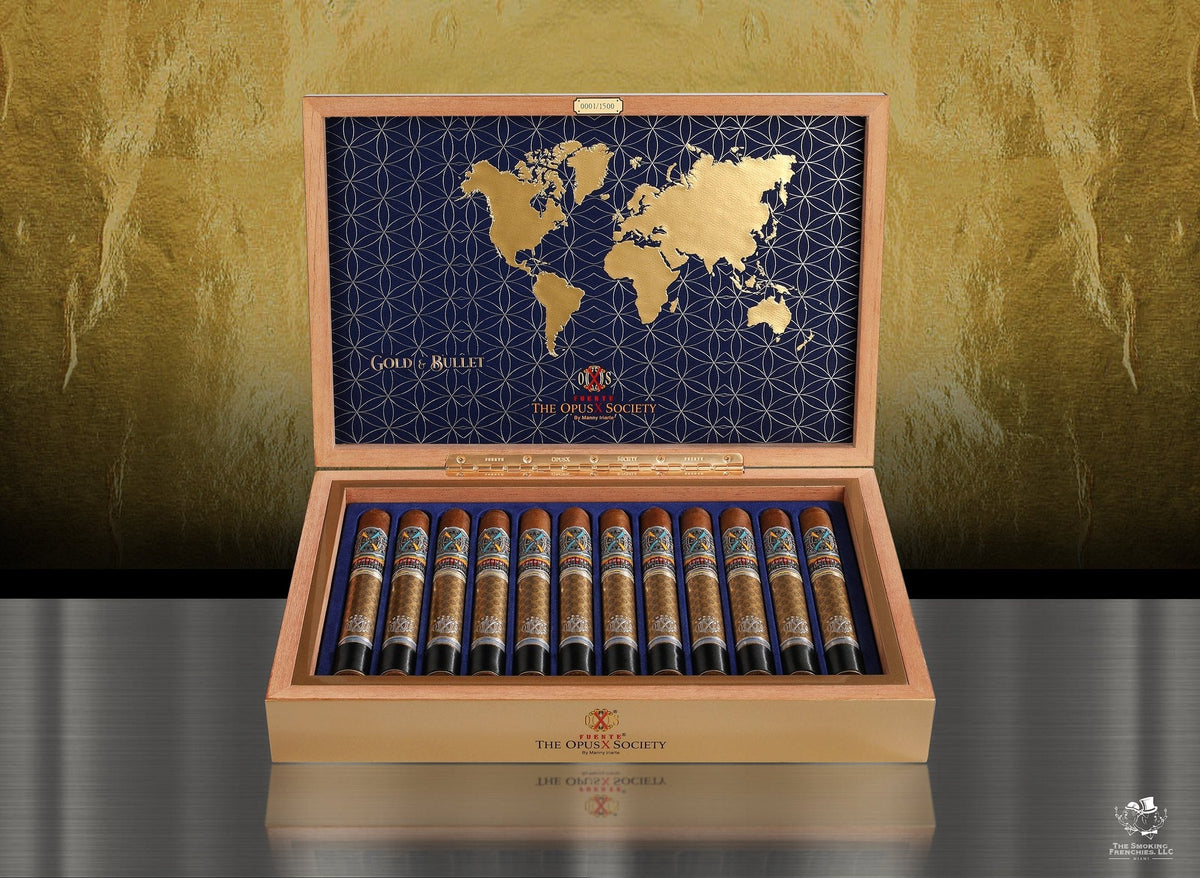
- Opus X. Cigar Aficionado’s Gregory Mottola reports that Carlos “Carlito” Fuente Jr.’s OpusX premiered in November 1995, and that before it no premium brand used a wrapper grown in the Dominican Republic; the leaf came from the farm Fuente named Chateau de la Fuente. Browse our Opus X cigars, including the Opus X Lost City Robusto and the Opus X PerfecXion No. 4.
- Padrón. Padrón’s own history says José O. Padrón opened Padrón Cigars in September 1964 and found in Nicaragua’s Estelí region a valley whose climate and soil resembled those of Pinar del Río in Cuba. See our Padrón cigars, such as the Padrón 1964 Anniversary Series Exclusivo and the Padrón 1926 Series No. 9.
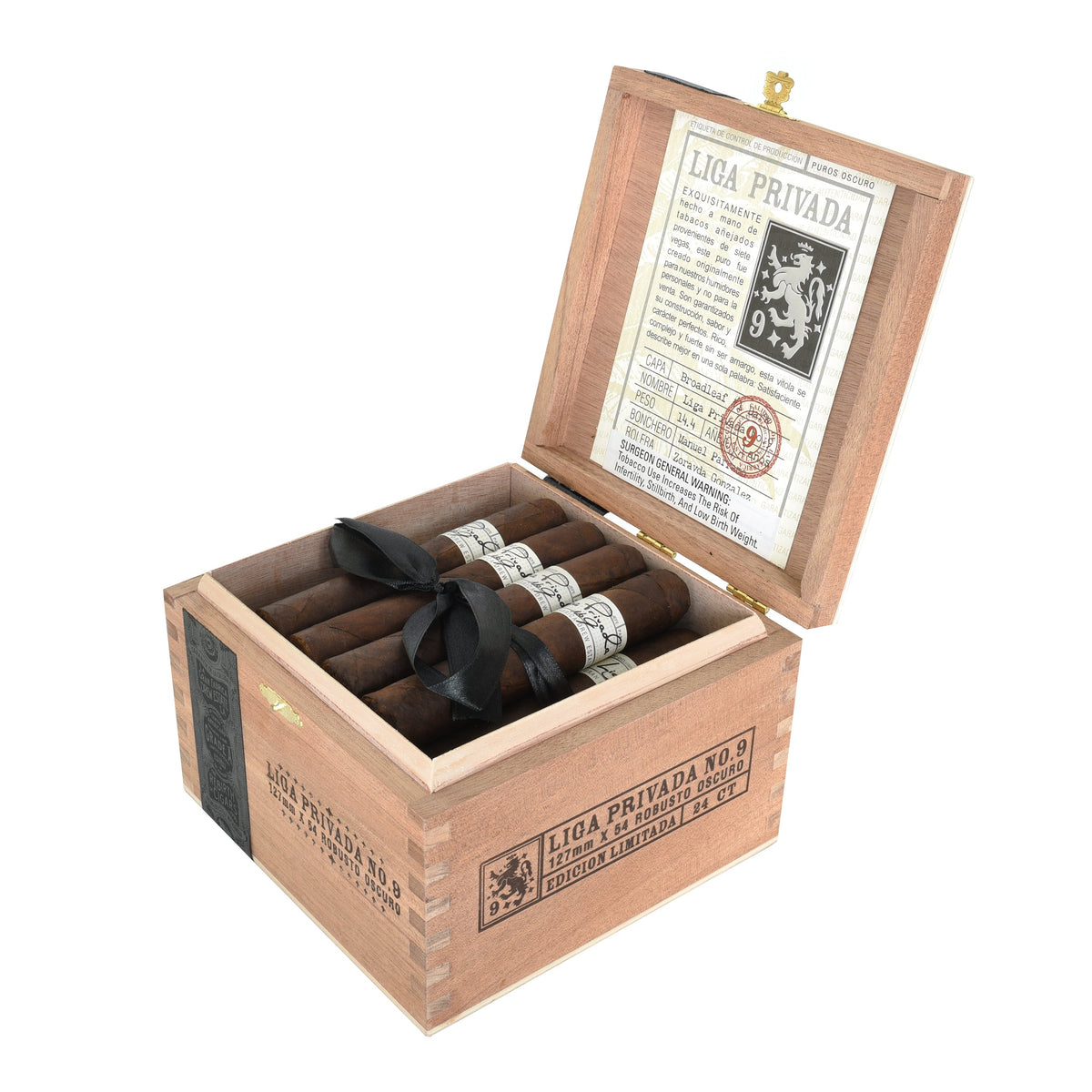
- Liga Privada. Drew Estate lists the No. 9 with a Connecticut River Valley Broadleaf wrapper, a Brazilian Mata Fina binder and filler from Nicaragua and Honduras, and rates it full-bodied. Shop Liga Privada cigars, start with the Liga Privada No. 9 Robusto, or compare every size of Liga Privada No. 9 cigars.
New to cigars? Start with our guide to cigars for beginners and our overview of types of cigars.
Close But No Cigar FAQ
What does “close but no cigar” mean? Someone nearly succeeded, or nearly guessed right, but still missed the reward. Merriam-Webster and Oxford Learner’s Dictionaries both define it as a comment on an attempt that came close without quite working.
Where does the phrase “close but no cigar” come from? It most likely comes from fairground and carnival games that paid winners in cigars. Cigar prizes at such games are documented from 1902, but no source we read shows a barker using the exact line.
When was “close but no cigar” first used? The earliest printed use Wordorigins records is a Yale Daily News headline from May 1927. Other references start later, at 1930 or 1935, so the date depends on the source.
Is it “close but no cigar” or “close, but no cigar”? Both are correct. Merriam-Webster enters it with the comma and lists the version without it as a variant. Before a noun it takes hyphens, as in “a close-but-no-cigar finish.”
What is the opposite of “close but no cigar”? “Give that man a cigar,” said to someone who gets the answer right. It turns the same fairground idea around: the cigar is the prize for winning.
Where can I buy premium cigars in Yuma, AZ? At Sun of a Gun Cigars & Spirits, 1651 S Arizona Ave, Yuma, an official J.C. Newman Diamond Crown Cigar Lounge with a walk-in humidor. Call 928-276-3500 with any questions.
Sources
- Merriam-Webster: close, but no cigar
- Oxford Learner’s Dictionaries: cigar
- Dictionary.com: cigar
- The Phrase Finder: Close, but no cigar
- The Phrase Finder discussion board, November 2001
- Wordorigins.org (David Wilton)
- Mental Floss, September 2026
- Today I Found Out, September 2013
- Grammar Monster: close but no cigar
- Cigar Aficionado: Out of the Humidor, Autumn 1993
- Cigar Aficionado: Celebratory Smokes
- Cigar Aficionado: 20 Years of OpusX
- Padrón: José O. Padrón
- Drew Estate: Liga Privada No. 9
For more of the language around cigars, see our cigar terminology glossary, or find a prize worth handing over in our cigar gift guide. $9.99 flat shipping, free on orders of $125 or more. Every order ships with a Boveda humidity pack. Ships within 1–2 business days.